At a Glance
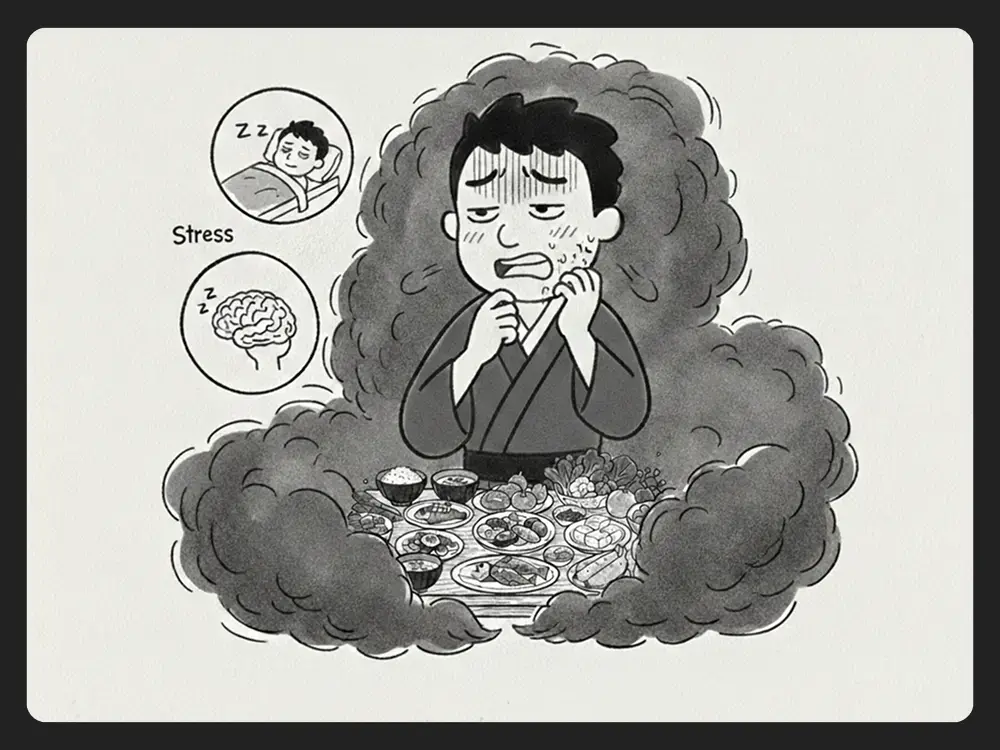
- Personalization: Your triggers might be stress, food, weather, or sleep. What flares one person may not affect another.
- The Mechanism: The gut-skin axis links what you eat directly to skin inflammation levels.
- The Method: Meaningful results require 30 days of consistent tracking to see how your body responds to lifestyle changes.
The key to managing psoriasis is understanding what works for your specific body. Because there is no one-size-fits-all answer, tracking your own patterns matters more than following generic advice.
Your Triggers Are Personal
Your triggers might include stress, certain food groups, weather changes, or a lack of sleep. Research highlights a strong connection between gut and skin health, called the gut-skin axis. What you eat directly impacts inflammation levels in your body, which affects your skin. However, the gut is just one piece of the picture. Researchers tend to group triggers into three layers: the genetic foundation you are born with, the internal factors you can influence day to day, and the external environment around you.
Psoriasis triggers
Sources: Triggers for the onset and recurrence of psoriasis, Cell Communication and Signaling, 2024 · Psoriasis: microbiome dysbiosis and pathogenic mechanisms, Frontiers in Immunology, 2026 · Plaque Psoriasis, NIH StatPearls, 2025
Give It Time
Each lifestyle change takes time to show real results. A Cochrane review of lifestyle changes for psoriasis found that skin improvements can take months rather than days to appear. Try one change at a time, track your symptoms carefully, and give each experiment at least a full month before drawing conclusions.
Keep Your Medication
Your prescribed treatment remains important, especially during flare-ups. Think of lifestyle experiments as tools that may help reduce your systemic inflammation over time, not replacements for medical care. When experiencing a flare, maintain your medication while continuing to identify and remove triggers. Always consult your doctor before making significant changes to your treatment plan.
References
- 1. Ko S-H, Chi C-C, Yeh M-L, Wang S-H, Tsai Y-S, Hsu M-Y. Lifestyle changes for treating psoriasis. Cochrane Database of Systematic Reviews. 2019. PMC6629583