Psoriasis Triggers:
What Causes Flares and Why They're Personal
Psoriasis is more than a skin condition; it is a systemic immune response.
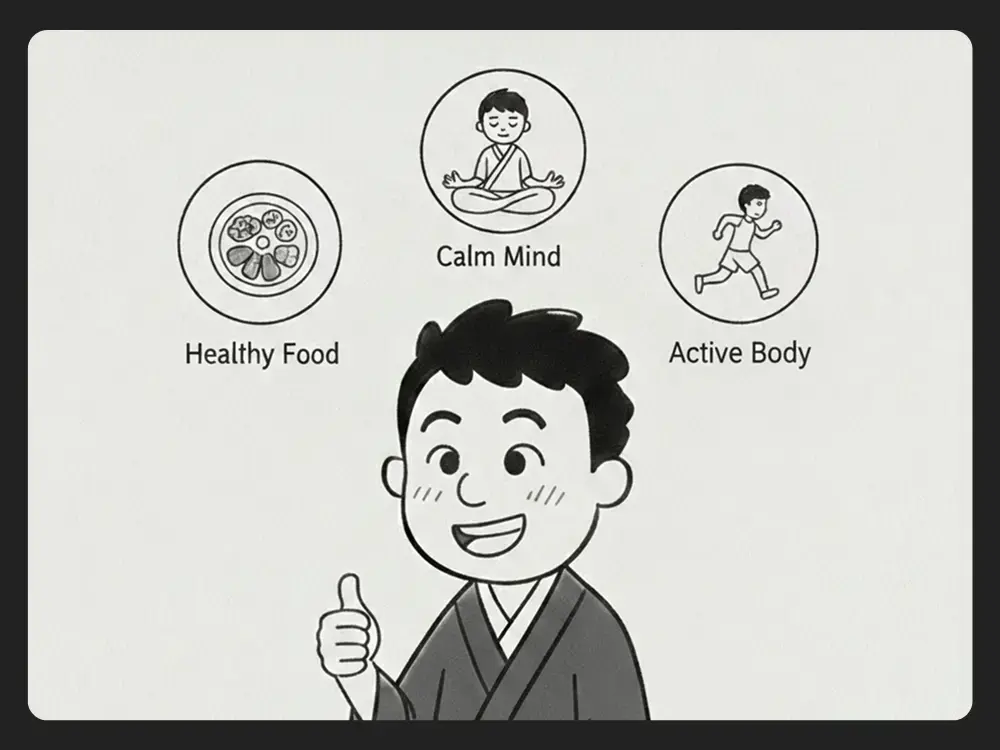
While genetic predisposition sets the stage, your gut-skin axis, stress levels, and movement habits are the primary drivers of your body's inflammatory response. Although external factors like seasonal changes play a role, the key to long-term skin stability lies in mastering the internal biological pillars within your control.
Psoriasis triggers
Sources: Triggers for the onset and recurrence of psoriasis, Cell Communication and Signaling, 2024 · Psoriasis: microbiome dysbiosis and pathogenic mechanisms, Frontiers in Immunology, 2026 · Plaque Psoriasis, NIH StatPearls, 2025
Internal psoriasis triggers
Your lifestyle, triggers and comorbidities
Every trigger responds differently in every patient. Itchi helps you run 30-day experiments to study your own triggers.



Psoriasis studies
Seventeen peer-reviewed studies on diet, movement, stress and sleep. Filter by topic, and follow every finding straight to its source.
Explore the research →Common Questions
Frequently Asked Questions
Beyond genetic predisposition, flares are frequently triggered by environmental factors such as cold, dry weather, skin injuries (the Koebner phenomenon), and bacterial infections like strep throat. Research indicates that approximately one-third of cases involve a family history, but external "insults" to the skin barrier are often what activate the systemic immune response.
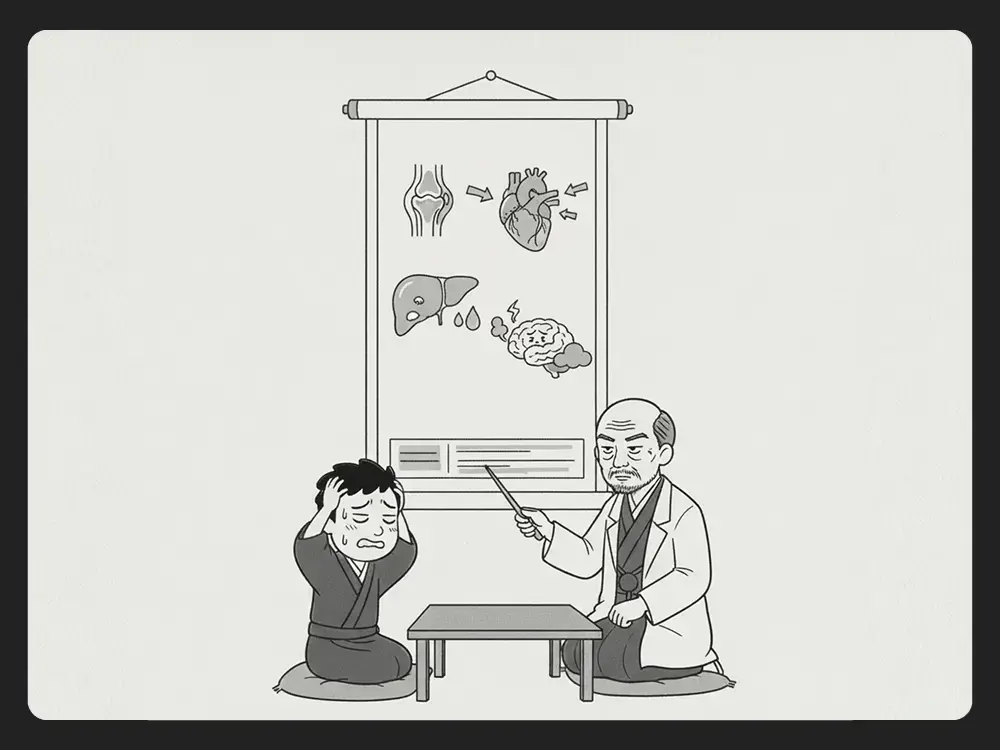
NIH StatPearls: Plaque Psoriasis, Triggers (2025)Psoriasis is a multi-layered systemic condition where internal factors like gut health and stress levels interact with external lifestyle habits. This "unified roadmap" shows that inflammation isn't localized to the skin; instead, it is driven by shared signaling pathways, such as the IL-23/Th17 axis, that connect the immune system, the gut microbiome, and the neurological response to stress.
Frontiers in Immunology: Psoriasis Microbiome Dysbiosis and Pathogenic Mechanisms (2026)Yes, the "gut-skin axis" theory is supported by evidence that psoriasis patients often exhibit gut dysbiosis, characterized by a reduction in beneficial bacteria like Faecalibacterium prausnitzii. This imbalance can lead to leaky gut and the production of pro-inflammatory metabolites that trigger the IL-17 signaling pathway, a core driver of skin lesions.
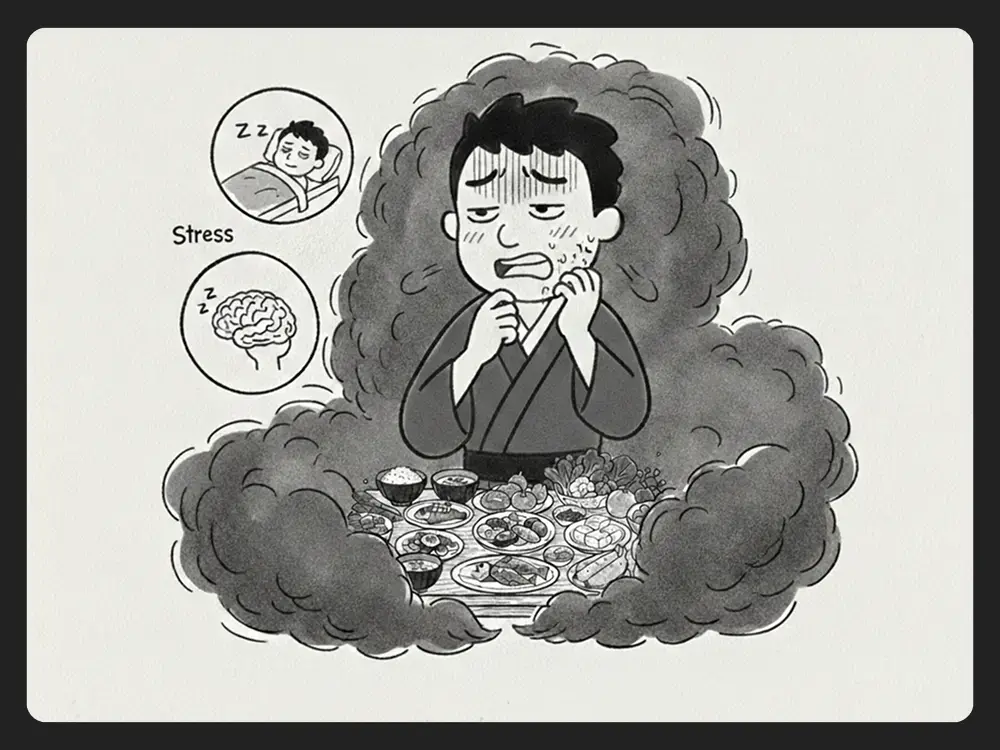
PubMed: Unravelling the Gut-Skin Axis in Psoriasis (2025)Stress is a confirmed trigger that works through the "brain-skin axis," with up to 40% of patients reporting clinical anxiety. Psychological stress activates the neuroendocrine system, releasing proinflammatory cytokines that exacerbate skin inflammation. Studies show that high daily stress can predict increased disease severity in the following month.
PMC: The Role of Psychological Stress in the Pathogenesis of Psoriasis (2025)Poor sleep is a major determinant of disease progression; patients with poor sleep metrics are at a significantly higher risk for severe flares and comorbid anxiety. Conversely, regular physical activity and sleep optimization help regulate immune function and reduce the systemic inflammatory burden, often improving the efficacy of medical treatments.
JAAD Reviews: Sleep in Dermatologic Conditions (2025)Psoriasis is recognized as an independent cardiovascular risk factor, with severe cases having up to a 50% increased relative risk of major cardiac events. Additionally, about 30% of patients develop psoriatic arthritis, which causes joint stiffness and potential permanent damage if not identified early through regular screening.
Dermatology and Therapy: Cardiovascular Disease and Psoriasis (2025)“Nearly 125 million people worldwide have psoriasis, you’re not alone on this journey.”
Itchi is a tool for wellbeing, not a medical provider. Our app helps you find your own path to comfort through habit tracking and trigger discovery. It is not a substitute for professional medical advice, diagnosis, or treatment.